 Calendar
Current Exhibitions
Special Exhibition
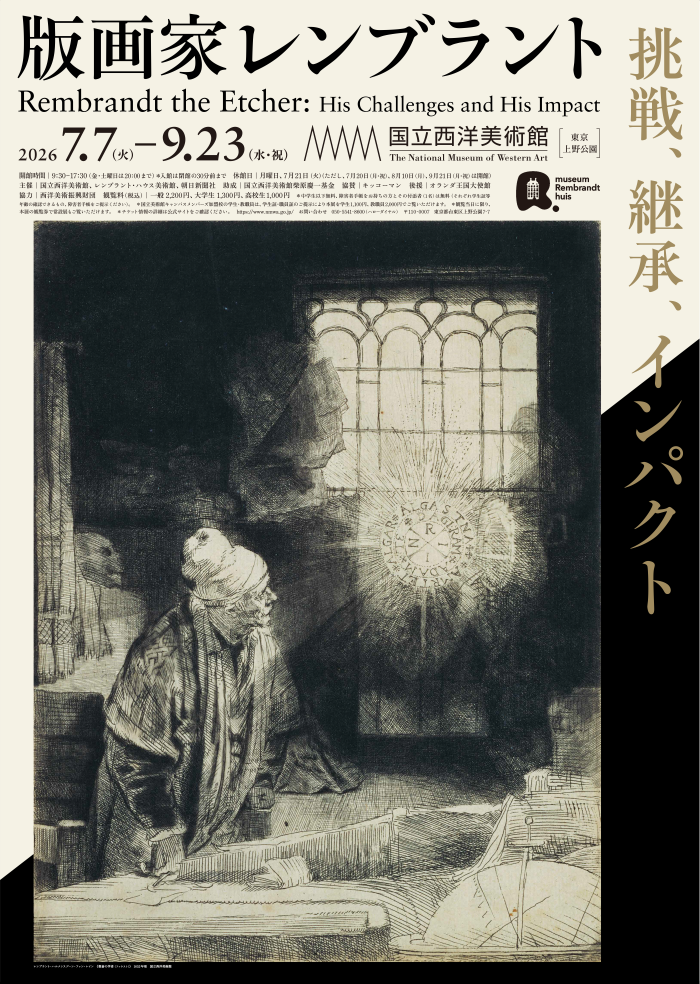
Rembrandt the Etcher: His Challenges and His Impact
- Dates
- Tuesday, 7 July - Wednesday, 23 September 2026
- Hours
- 9:30 am - 5:30 pm
Fridays, Saturdays 9:30 am - 8:00 pm
Admission ends 30 mins. before closing time - Closed
- Mondays, 21 July (Opens on 20 July, 10 August and 21 September)
- Venue
- Special Exhibition Wing
- Admission Fees
-
Adults 2,200 yen, college students 1,300 yen, high school students 1,000 yen
- *Admission is free for junior high school students and under.
- *Disabled visitors admitted free of charge, with one attendant.
- *College students, high school students and disabled visitors must show their relevant student ID, proof of age or disability status document upon entry to the museum.
- *Students and faculty members at National Museum of Art Campus Member institutions may view this exhibition on specially priced tickets (students = 1,100 yen, faculty members = 2,000 yen). These tickets are available at the National Museum of Western Art Ticket Office.
- *You can also see the NMWA Collection Galleries on the same day of viewing this exhibition.
- *Some works will be replaced during the exhibition period.

- Organized by
- The National Museum of Western Art, Tokyo; The Rembrandt House Museum; The Asahi Shimbun
- With the special support of
- The National Museum of Western Art Shibahara Keiichi Fund
- With the sponsorship of
- Kikkoman Corporation
- With the support of
- The Embassy of the Kingdom of the Netherlands
- With the cooperation of
- The Western Art Foundation
Rembrandt Harmensz. van Rijn (1606–1669) is regarded as not only the foremost seventeenth-century Dutch painter—creator of the group portrait The Night Watch and numerous other masterpieces—but also a printmaker without peer.
Etching, the technique he employed in printing, underwent a transformation in the early seventeenth century, gradually breaking free from tradition. Rembrandt made the medium's newly emerging forms of expression the foundation of his artistic vocabulary, as he continued to explore its possibilities.
The more than 300 print works born of his insatiably inquiring mind transformed the identity of etching and paved the way for its future development. His prints influenced artists across Europe in the seventeenth and eighteenth centuries and were greatly esteemed by nineteenth-century artists who valued free-spirited creativity. In the twentieth century, Matisse and Picasso, among the leading figures of the era, paid homage in their art to this past master.
The first part of the exhibition examines Rembrandt's prolific and varied output in the field of etching, and the latter traces his legacy and impact through to the early twentieth century. We hope you will enjoy viewing monochrome line expression at its finest as well as discovering the influence of this art down the ages.
The exhibits comprise approximately 130 works and documents mainly drawn from the collections of the Rembrandt House Museum, Amsterdam, and the National Museum of Western Art, Tokyo. Also included are items from other museums, university libraries, and private collections in Japan and the Netherlands.
Exhibition Checklist (PDF file, about 0.98MB)
-
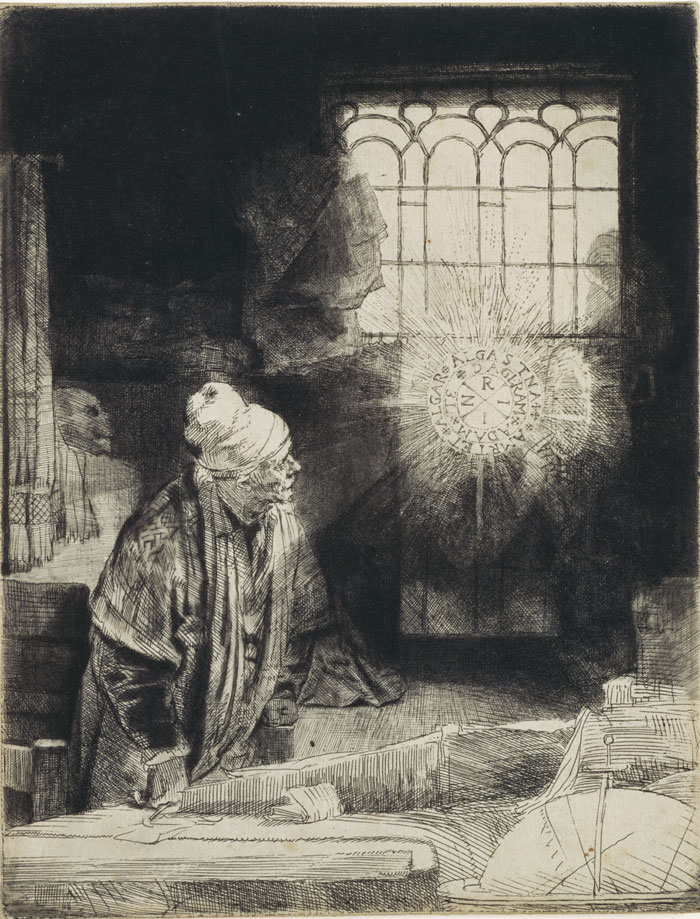 Rembrandt Harmensz. van Rijn, A Scholar in His Study (‘Faust’), c. 1652, Etching, burin and drypoint, National Museum of Western Art
-
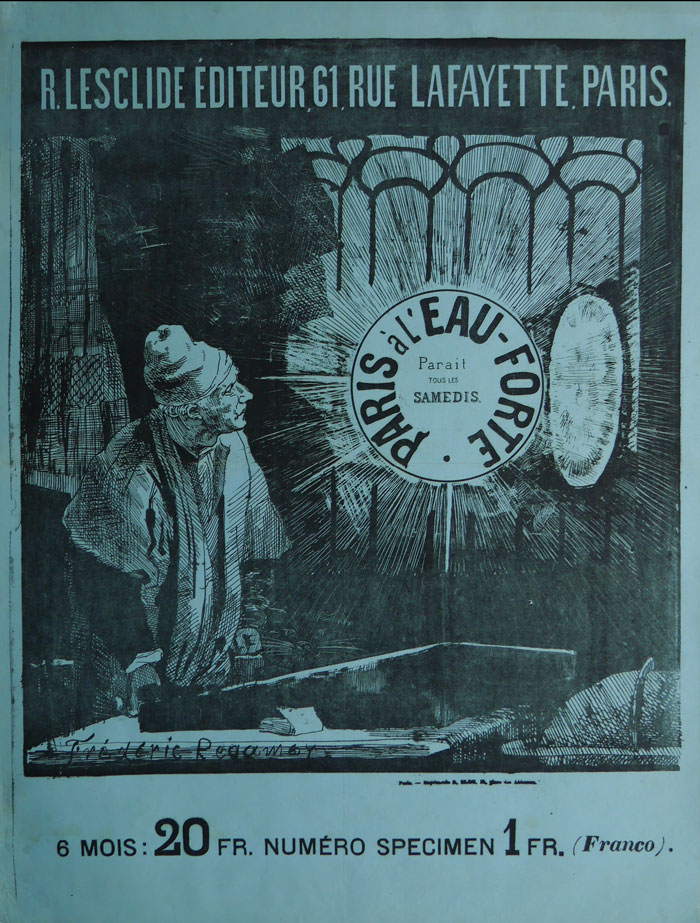 Frédéric Regamey, Poster ‘Paris à l’eau forte’, 1875, Lithograph, on blue paper, Rembrandt House Museum
-
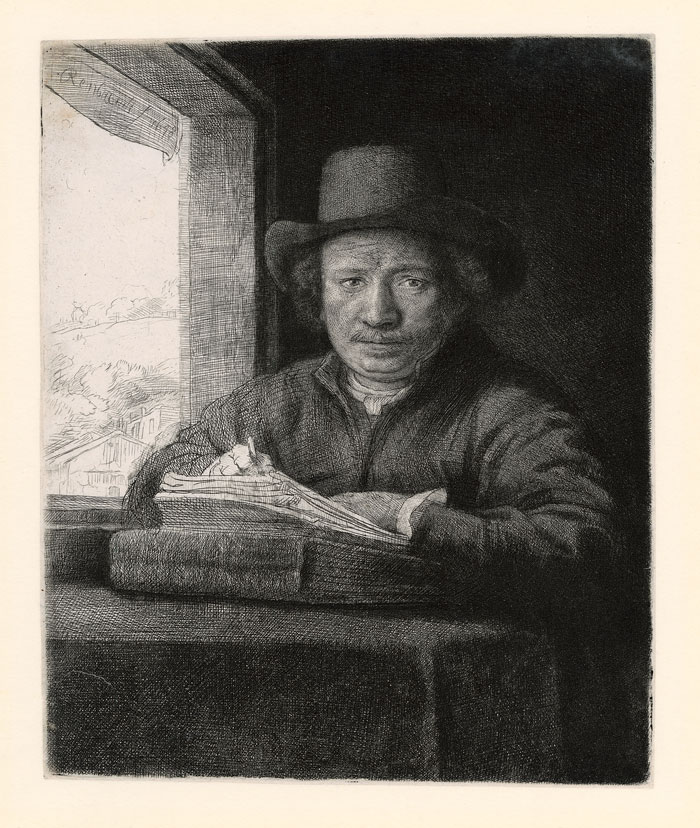 Rembrandt Harmensz. van Rijn, Self-Portrait, Etching at a Window, 1648, Etching, drypoint and burin, on Chinese paper, Rembrandt House Museum
-
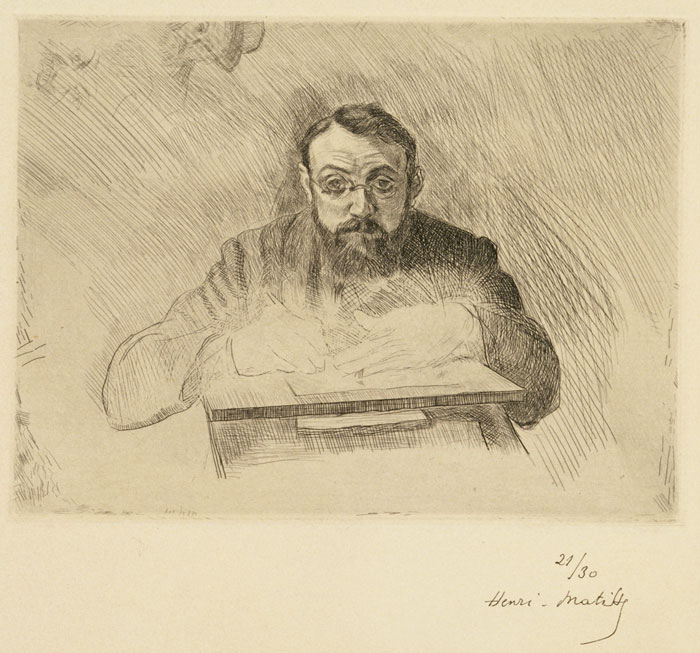 Henri Matisse, Henri Matisse Engraving, 1900-03, Drypoint, National Museum of Western Art
-
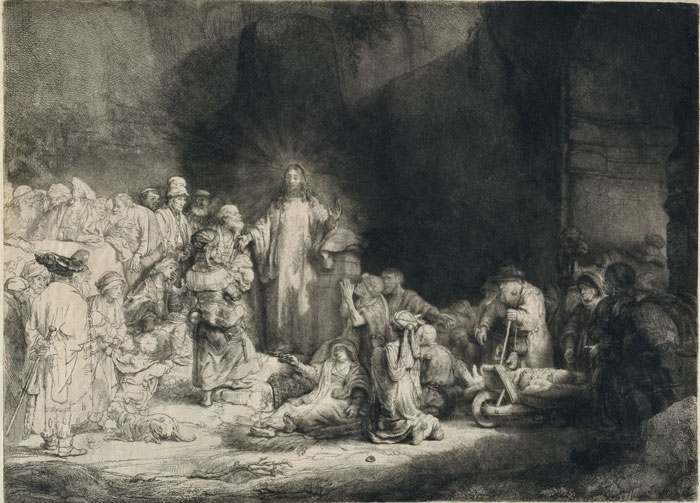 Rembrandt Harmensz. van Rijn, The Hundred-Guilder Print, c. 1648, Etching, drypoint and burin, on Japanese paper, National Museum of Western Art